Integrated Reward Mechanisms: Linking Signup Perks to Tiered Progression in Mobile Gaming Networks
Written by Sofia Schmid · Aug 9, 2026
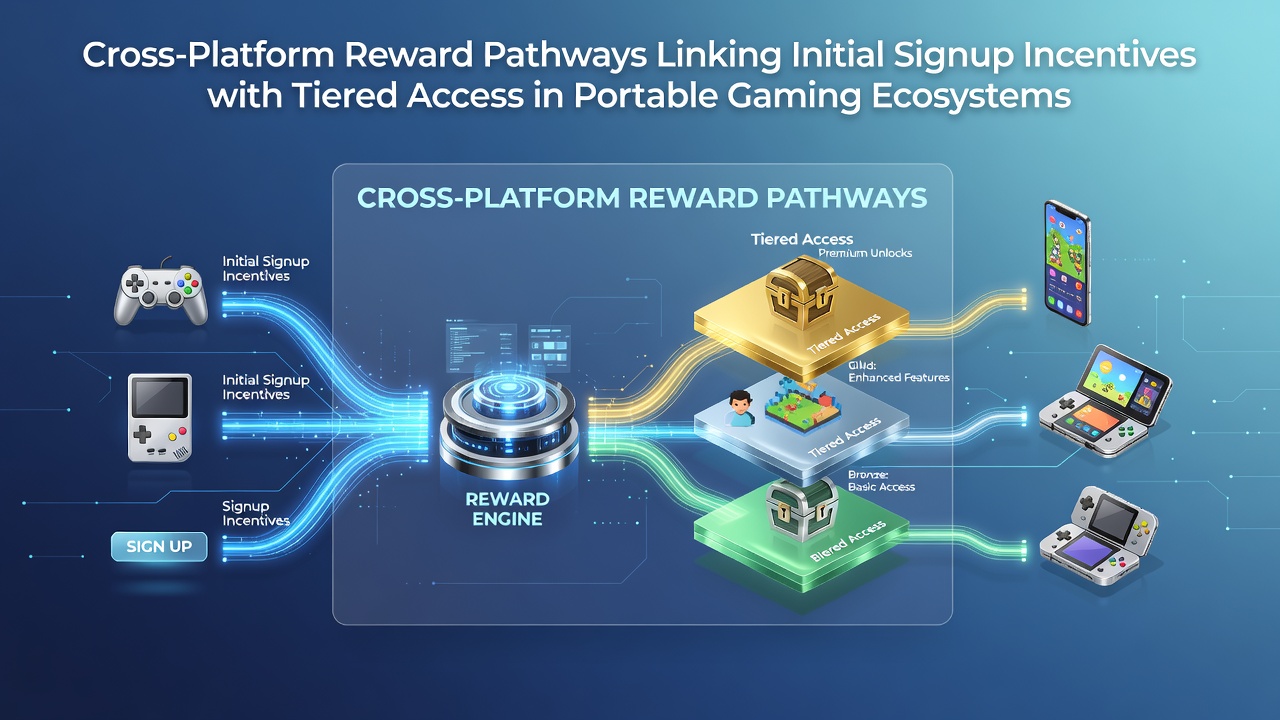
Integrated Reward Mechanisms: Linking Signup Perks to Tiered Progression in Mobile Gaming Networks
Portable gaming ecosystems have developed structured systems that connect initial signup incentives directly to tiered access models across multiple platforms, and these pathways operate through standardized data synchronization protocols that track user activity from the first login onward. Developers implement these structures to maintain engagement metrics while users move between devices without losing accumulated progress or eligibility for higher tiers.
Initial Signup Incentives and Their Role in Ecosystem Entry
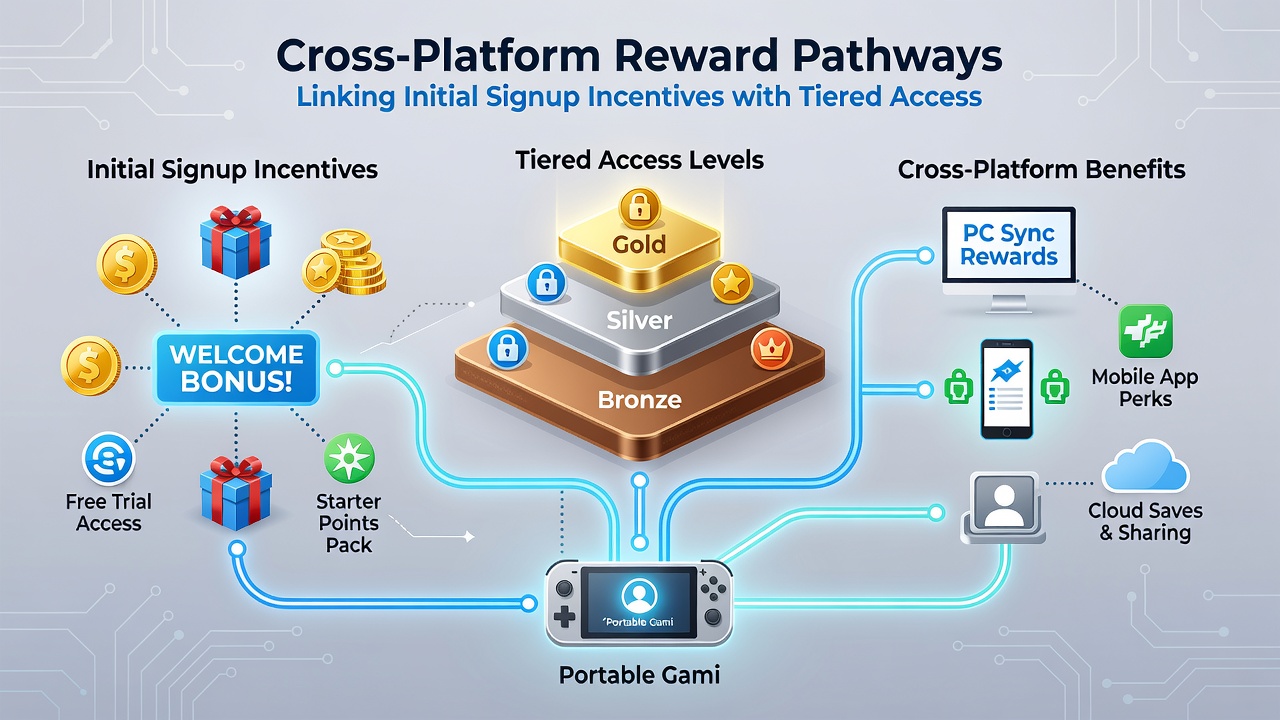
Signup processes in mobile gaming typically grant immediate rewards such as virtual currency packs, starter item sets, or temporary access passes, and these incentives link to backend systems that record user identifiers across platforms. Research from the Entertainment Software Association indicates that over 70 percent of top-grossing mobile titles in 2025 incorporated some form of onboarding bonus tied to account creation, with data showing higher retention rates when rewards carried forward into subsequent sessions.
Cross-platform frameworks allow these entry-level benefits to activate on consoles, tablets, and PCs simultaneously once a central account verifies the signup, and synchronization occurs through cloud-based services that update tier eligibility in real time. Observers note that this setup reduces friction for players who switch devices mid-session, while the underlying algorithms adjust future reward offers based on early interaction patterns.
Tiered Access Structures and Progression Pathways
Tiered systems in these ecosystems advance users through levels that unlock additional features, exclusive content, or accelerated reward rates, and progression depends on cumulative activity tracked across all linked platforms. Many titles use battle pass models or loyalty ladders where signup bonuses contribute directly to the starting tier position, allowing new users to bypass initial ranks under specific conditions.
According to a 2025 industry report from the Interactive Games & Entertainment Association, tiered access programs appear in approximately 65 percent of cross-platform mobile titles, with data revealing that users who leverage signup incentives reach mid-tier status 30 percent faster than those who begin without them. These structures often incorporate daily login streaks and event participation that feed into the same progression database.
Technical Implementation Across Devices
Engineers design these reward pathways using unified player profiles stored on central servers, and API connections between mobile operating systems and other platforms ensure seamless data transfer. When a user completes a signup on one device, the system immediately flags the account for tier calculations that apply universally, and updates propagate through secure channels to prevent duplication or loss of benefits.
Studies conducted by researchers at the University of Southern California in early 2026 documented how these technical links influence user behavior, showing that synchronized incentives correlate with increased session lengths across device types. The analysis covered multiple genres and found consistent patterns in how initial rewards influence long-term tier climbing.
Developments Observed in August 2026
Industry updates released in August 2026 introduced enhanced verification methods for cross-platform accounts, and these changes strengthened the connection between signup incentives and tier eligibility by requiring multi-factor confirmation before rewards activate. Several major titles adopted the new standards, which reduced instances of reward stacking while maintaining fluid progression for verified users.
Figures from the Canadian Interactive Digital Entertainment Association reveal that adoption of these updated protocols reached 48 percent among leading mobile studios by mid-August 2026, with early data pointing to improved accuracy in tier assignment across regions. The adjustments also aligned with broader platform policies on data portability that took effect during the same period.
Examples from Established Gaming Titles
Popular cross-platform games demonstrate these pathways through specific mechanics where signup bonuses feed into seasonal tiers that carry over between mobile and console versions, and players often discover that completing early challenges accelerates access to premium features. One documented case involved a title that granted a starter pack upon account creation, which then counted toward the first three tier milestones when users logged in on additional devices.
Another example shows how event-based rewards integrate with tier ladders, allowing signup incentives to combine with platform-specific bonuses for compounded progression. Those who have examined these systems note that the design encourages consistent activity without restricting access based on single-device usage.
Conclusion
Cross-platform reward pathways in portable gaming ecosystems continue to evolve through tighter integration of signup incentives with tiered access models, supported by advancing synchronization technologies and periodic regulatory alignments. Data collected through 2026 illustrates measurable effects on user retention and progression speed, while technical standards ensure consistency across devices. These mechanisms represent established practices within the mobile gaming sector that link entry-level benefits to sustained engagement structures.