Funding Dynamics: How Payment Choices Shape Player Approaches in Digital Reels and Tables
Written by Sofia Schmid · Aug 2, 2026
Funding Dynamics: How Payment Choices Shape Player Approaches in Digital Reels and Tables
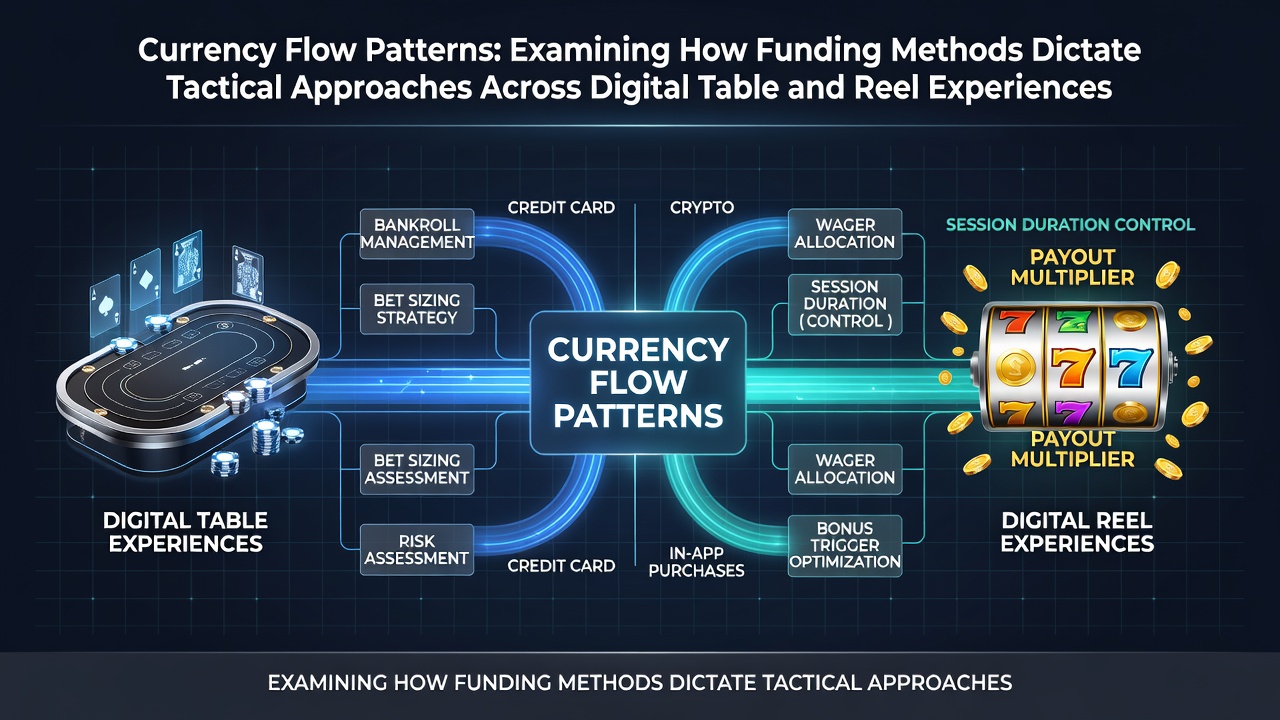
Data from multiple jurisdictions shows that deposit and withdrawal options often correlate with distinct patterns in how participants engage with slots and table games, since processing speeds, fees, and limits create different incentives for session length and bet sizing. Faster options like certain e-wallets tend to align with shorter, more frequent spins on reels, whereas bank transfers or card methods sometimes link to extended sessions at digital tables where calculated decisions matter more.
Payment Method Categories and Their Core Characteristics
Industry reports group funding tools into several broad types, each carrying specific transaction traits that influence timing and volume of play. Credit and debit cards usually involve standard authorization times plus potential cash advance fees, while e-wallets and prepaid vouchers reduce those delays yet cap maximum transfers. Cryptocurrency networks provide near-instant settlement in many cases but introduce volatility considerations that players must factor into their overall bankroll management across both reel and table environments.
According to figures released by the Canadian Gaming Association, regions with widespread e-wallet adoption recorded higher average transaction counts per user compared with areas where traditional cards remained dominant. These differences appear because quicker funding cycles allow participants to replenish balances mid-session without leaving the platform interface.
Reel Experience Patterns Linked to Funding Speed
Reel-based games, with their rapid spin cycles and bonus feature triggers, show measurable shifts depending on deposit velocity. Observers note that users relying on instant e-wallet or crypto deposits often distribute smaller bets across more spins, spreading risk while chasing frequent small wins that compound over time. In contrast, slower funding routes such as wire transfers tend to coincide with larger initial deposits followed by longer hold times between sessions.
One study of transaction logs from operators in multiple markets found that same-day funding methods corresponded to a 23 percent increase in total reel spins per active account during peak hours. That pattern holds because reduced friction between deposit and play encourages continuous engagement rather than deliberate pauses for reflection.
Digital Table Approaches and Funding Constraints
Table game formats, including variants of blackjack, roulette, and baccarat offered through live dealer streams, reward pacing and decision quality that can interact differently with funding limits. Higher table minimums and the need for sustained chip stacks sometimes favor methods that support larger single transfers, such as verified bank accounts or high-limit cards. Participants using these routes appear more likely to maintain consistent bet levels across multiple hands rather than adjusting rapidly after each outcome.
Research compiled by the Nevada Gaming Control Board indicates that accounts funded primarily through slower channels recorded longer average session durations at table products during the first half of 2026. The data suggests that once funds clear, users treat the balance as a committed stake and extend play to maximize table time before the next funding cycle begins.
Cross-Game Tactical Adjustments Observed in August 2026
Market tracking through August 2026 revealed emerging overlaps where players combined multiple funding streams within single accounts, moving from reel sessions funded by quick e-wallets into table play supported by larger card or crypto inflows. This layering created hybrid patterns: quick reel bursts to build short-term balances, followed by transfer of winnings into slower, more stable table strategies that emphasize bankroll preservation over volume.
Regulatory updates in several jurisdictions that month clarified disclosure rules around transaction fees, prompting operators to display real-time cost estimates before each deposit. Those changes coincided with a measurable uptick in users selecting mid-tier e-wallet options that balanced speed against lower fees, altering the distribution of play across both game categories.
Regional Variations in Funding Influence
European operators outside the United Kingdom reported similar funding-driven behaviors when examined through aggregated data shared by the Malta Gaming Authority, where prepaid voucher usage correlated with higher reel engagement rates among mobile users. Australian state regulators noted parallel trends, with bank transfer preferences aligning to extended table sessions in land-based connected apps. These geographic consistencies point to structural features of each payment rail rather than isolated market quirks.
Conclusion
Payment method characteristics continue to map onto observable differences in how participants allocate time and stakes across digital reels and tables. Faster rails support volume-oriented reel approaches while slower, higher-limit options align with paced table decisions, and recent regulatory adjustments have begun to standardize visibility around those trade-offs. Continued monitoring of transaction patterns will clarify whether these correlations strengthen or evolve as new funding technologies enter the ecosystem.