E-Wallet Connectivity Driving Bonus Sequences from Slot Machines to Live Dealer Tables and Sports Markets
Written by Dana Schröder · Nov 22, 2026
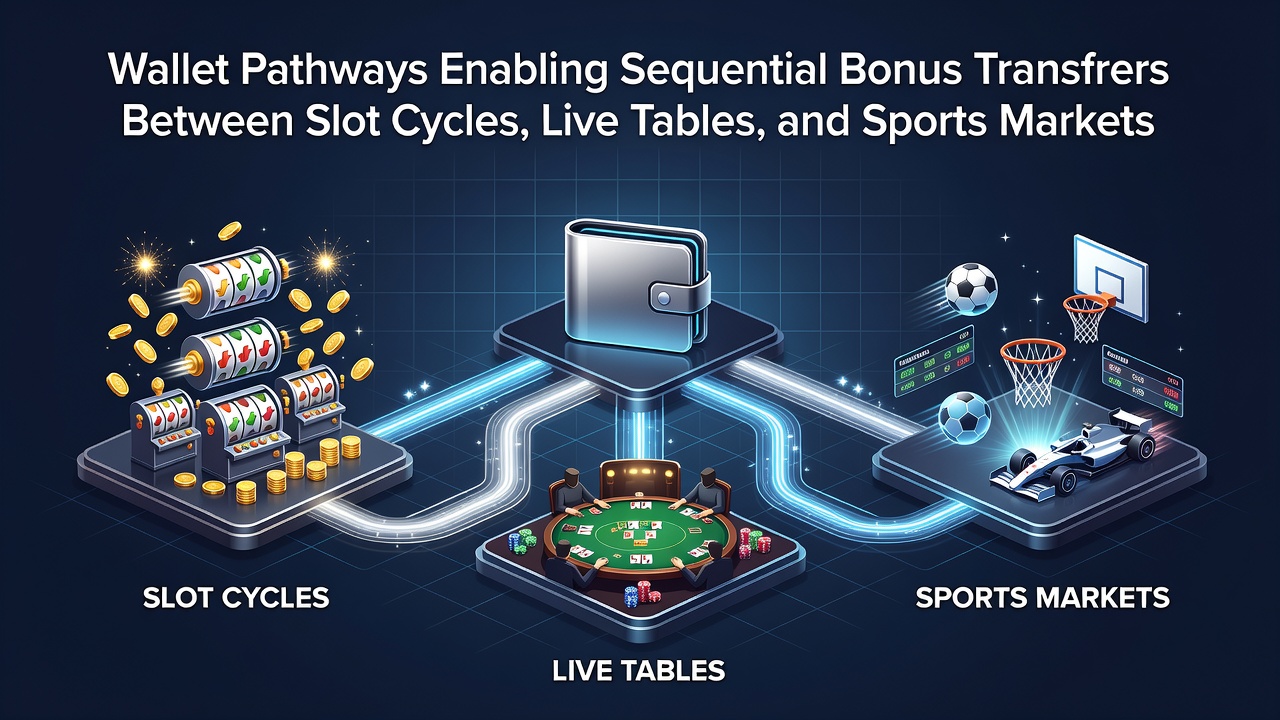
E-Wallet Connectivity Driving Bonus Sequences from Slot Machines to Live Dealer Tables and Sports Markets
Digital payment systems have expanded to support chained incentive movements across different gaming formats, allowing users to move rewards earned on slot reels directly into live dealer sessions or sports wagers without separate cashouts. These pathways rely on integrated e-wallet features that track bonus eligibility across platforms while maintaining compliance with operator rules and regional regulations. Data from the Nevada Gaming Control Board shows rising adoption of multi-format wallets in licensed venues, where sequential transfers now account for a growing share of active player balances.
Core Mechanics of Sequential Transfers
Operators configure wallet software to recognize bonus types generated in one category and apply them to another, such as converting slot-based free spin winnings into table game match funds or sports betting credits. The process begins when a player completes a qualifying spin cycle, after which the system logs the reward in a unified ledger visible across the account dashboard. Transfers execute through API connections that verify wagering requirements in real time, preventing premature movement of restricted funds while allowing eligible portions to flow forward once conditions clear.
Live tables integrate the same ledger, so credits from slots appear as available chips or side-bet boosts during blackjack or roulette rounds. Sports markets receive similar treatment, with pending bets funded by prior slot or table activity once the wallet confirms the sequence meets minimum play thresholds. Observers note that these linkages reduce friction compared with earlier siloed systems, where players had to withdraw and redeposit manually between sections.
Technical Infrastructure Supporting the Flows
Backend architecture combines secure tokenization with regulatory audit trails, ensuring each transfer maintains a timestamped record accessible to compliance teams. Providers embed conditional logic that checks game category, bonus source, and remaining rollover before authorizing the shift. Mobile applications surface these options through simplified menus, letting users preview potential sequences before committing funds. Industry reports from the European Gaming and Betting Association indicate that such infrastructure upgrades correlate with higher session continuity rates across hybrid platforms.

Regulatory Context and November 2026 Developments
Authorities in multiple jurisdictions continue refining standards for cross-category transfers, with several frameworks scheduled for implementation in November 2026. These updates emphasize clearer disclosure of transfer rules and enhanced player controls over automatic sequences. Licensed operators must demonstrate that wallet pathways do not circumvent responsible gambling limits, including deposit caps and session reminders that travel with the bonus itself. Research from the Canadian Centre for Gaming Research highlights how synchronized compliance tools help operators maintain audit readiness while supporting the technical flows.
Take one operator group that rolled out unified wallets across its European and North American sites; the group reported that transfer volumes between slots and sports markets increased steadily after the initial integration phase, while live table participation saw parallel gains once players could apply slot credits directly at the tables.
Player Experience Patterns
Users encounter these pathways through in-app prompts that suggest logical next steps, such as applying slot winnings to an upcoming live dealer tournament or funding a sports accumulator. The system displays remaining wagering contributions attached to each transferred amount, reducing confusion about eligibility. Those who study player behavior patterns observe that sequences spanning all three categories often extend overall engagement time compared with single-format play. Wallet providers supply dashboards that break down transfer history by source and destination, giving users a clear view of how bonuses have moved through the ecosystem.
Security and Verification Layers
Encryption protocols and multi-factor authentication protect each step of the transfer chain, while automated fraud detection flags unusual sequences that deviate from typical patterns. Regulators require operators to maintain logs that reconstruct any bonus journey from origin to final use, supporting both dispute resolution and periodic reviews. The infrastructure also accommodates geographic restrictions, blocking transfers that would violate local rules even when the underlying wallet technology permits the movement.
Conclusion
Payment networks continue evolving to handle sequential bonus activity across slots, live tables, and sports markets through standardized wallet features and regulatory alignment. Figures reveal steady growth in cross-category usage, driven by technical improvements and scheduled policy updates through late 2026. These systems deliver connected reward pathways while preserving teh safeguards required by oversight bodies in different regions.