Digital Payment Pathways: Integrating Transfer Systems with Multi-Tiered Reward Structures in Mobile Gaming Platforms
Written by Sofia Vogel · Aug 21, 2026
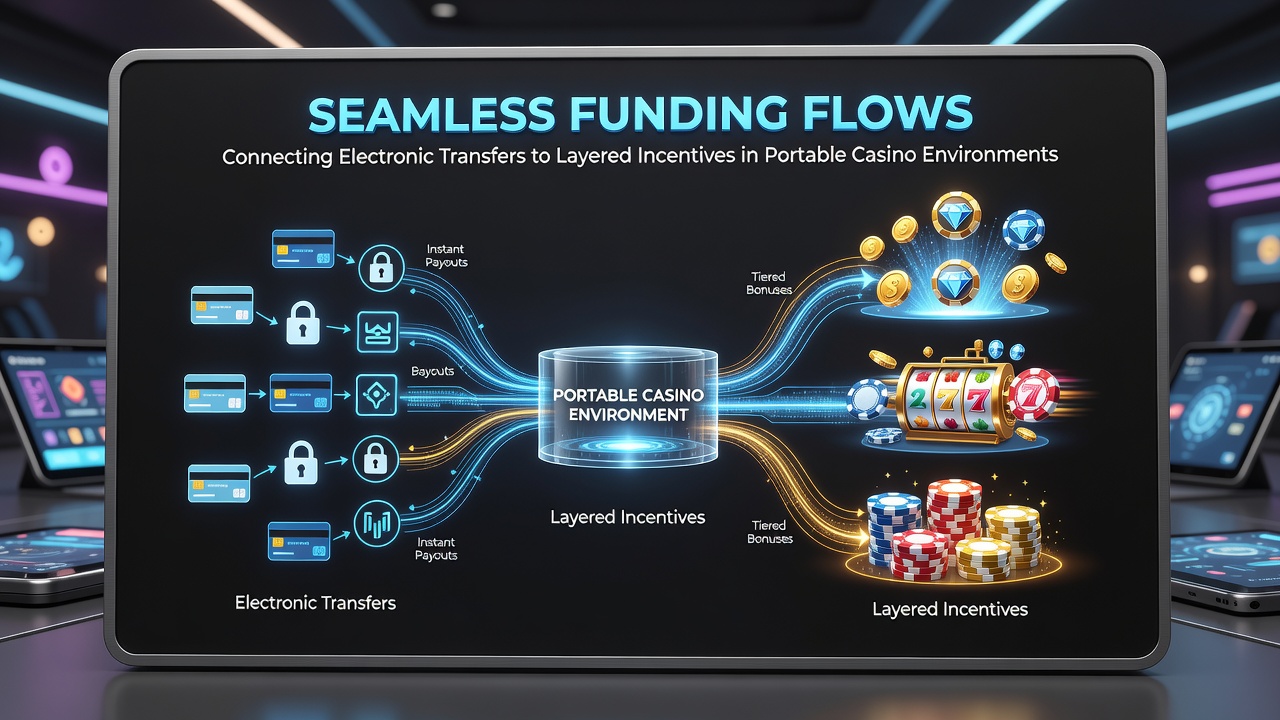
Digital Payment Pathways: Integrating Transfer Systems with Multi-Tiered Reward Structures in Mobile Gaming Platforms
Electronic transfers have become central to how users access funds in portable casino environments, where platforms connect deposit methods directly to layered incentive programs that reward activity across slots, tables, and sports features. Observers note that these systems allow instant movement of funds from bank accounts or digital wallets into gaming balances, which then trigger immediate eligibility for deposit matches, cashback tiers, and loyalty points that accumulate based on play volume.
Research from industry reports shows that integration of payment processors with backend incentive engines reduces delays between deposit and bonus activation to under 30 seconds in many licensed mobile applications. Data indicates this speed supports continuous engagement because players move from funding to game selection without interruption, while the same transfer logs feed into algorithms that adjust reward layers in real time.
Mechanics of Transfer and Incentive Synchronization
Portable casino platforms operate through APIs that link electronic transfer confirmations to player accounts, automatically applying incentive multipliers when certain thresholds are met. For instance, a single transfer above a set amount can unlock both a standard deposit bonus and entry into a secondary VIP progression track, with points earned from that session carrying forward into live dealer or sports betting modules. Experts have observed that this synchronization relies on standardized transaction codes sent from payment providers to the casino's reward server, ensuring every deposit contributes to multiple incentive streams simultaneously.
August 2026 brought updates in several jurisdictions where regulators required clearer disclosure of how transfer data influences bonus eligibility, prompting operators to refine their notification systems. Those who've studied platform architecture note that such changes improved transparency without altering the underlying flow speed, as the technical connections between payment rails and incentive databases remained intact.
Layered Structures Across Game Types
Incentive layers typically stack deposit matches at the base, followed by cashback percentages that increase with weekly volume, and then exclusive tier benefits such as higher withdrawal limits or personalized promotions. Mobile environments extend these layers across game categories because a single transfer can fund activity in slots, where spins generate loyalty points, which then convert into boosts for live table wagers or parlay odds in the sportsbook section. Studies found that players who maintain consistent transfer patterns across multiple game types reach higher tiers faster than those who focus on one category alone.
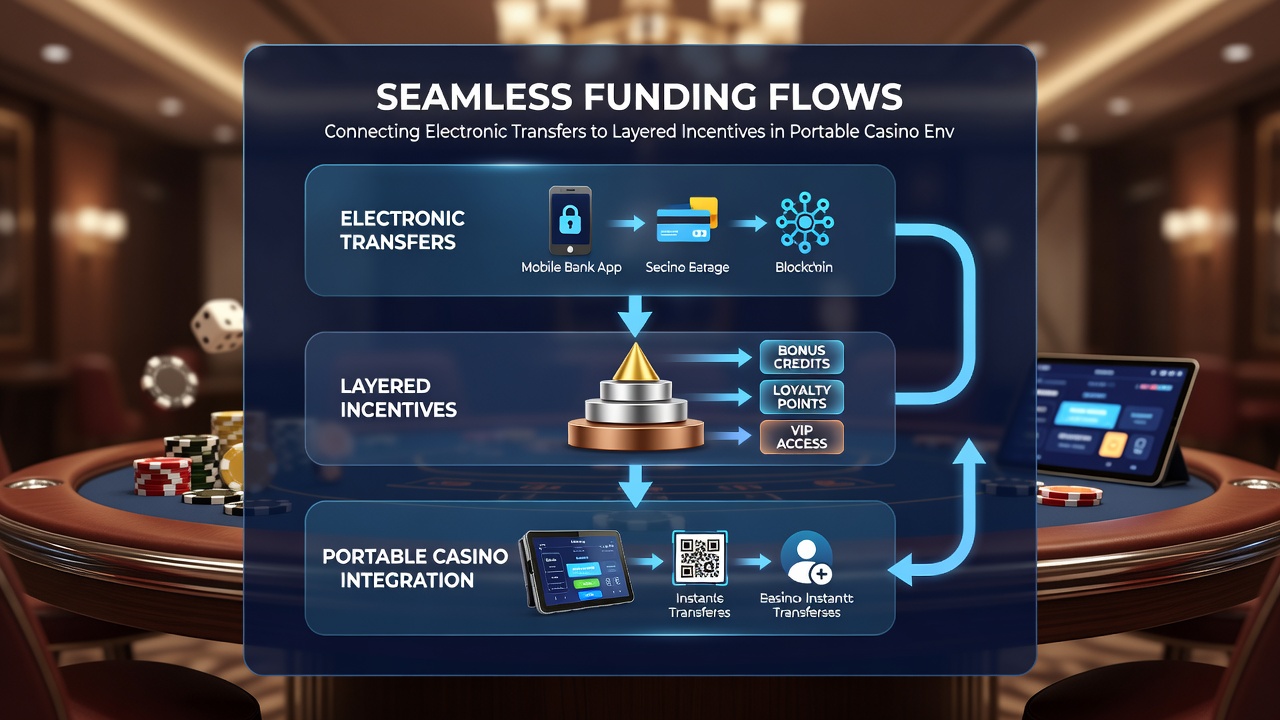
According to findings from the Australian Gambling Research Centre, platforms that connect electronic transfers to cross-category rewards see measurable increases in session duration. The report highlights that seamless funding flows enable players to shift between game types while their accumulated incentives remain active, creating continuous progression rather than separate reward silos.
Regulatory and Technical Considerations
Regulatory bodies in multiple regions have examined how electronic transfer data intersects with incentive delivery to ensure compliance with responsible gaming standards. In Canada, provincial oversight groups require audit trails that map every deposit to its corresponding bonus layers, allowing verification that incentives do not exceed permitted thresholds. Technical teams implement encryption protocols during transfer handoff to teh incentive engine, protecting both financial details and reward calculations from interception.
What's interesting is that operators in Nevada have documented similar frameworks through the Nevada Gaming Control Board guidelines, where portable applications must demonstrate that layered incentives activate only after verified fund receipt. This approach maintains separation between funding and reward systems while still permitting rapid integration once confirmation arrives.
Conclusion
Electronic transfer connections to layered incentives continue to define operational standards in portable casino environments, with platforms maintaining real-time synchronization between deposits and multi-tier rewards across game categories. Data from regulatory reviews and research centers shows these flows support structured progression when implemented under existing compliance frameworks, providing players with consistent access to incentives tied directly to their funding activity. Observers note ongoing refinements in August 2026 and beyond as jurisdictions update disclosure requirements around these integrated systems.