Aligning Payment Methods with Loyalty Tiers to Enable Fluid Shifts Between Mobile Slots and Live Dealer Tables
Written by Felix Bauer · Aug 7, 2026
Aligning Payment Methods with Loyalty Tiers to Enable Fluid Shifts Between Mobile Slots and Live Dealer Tables
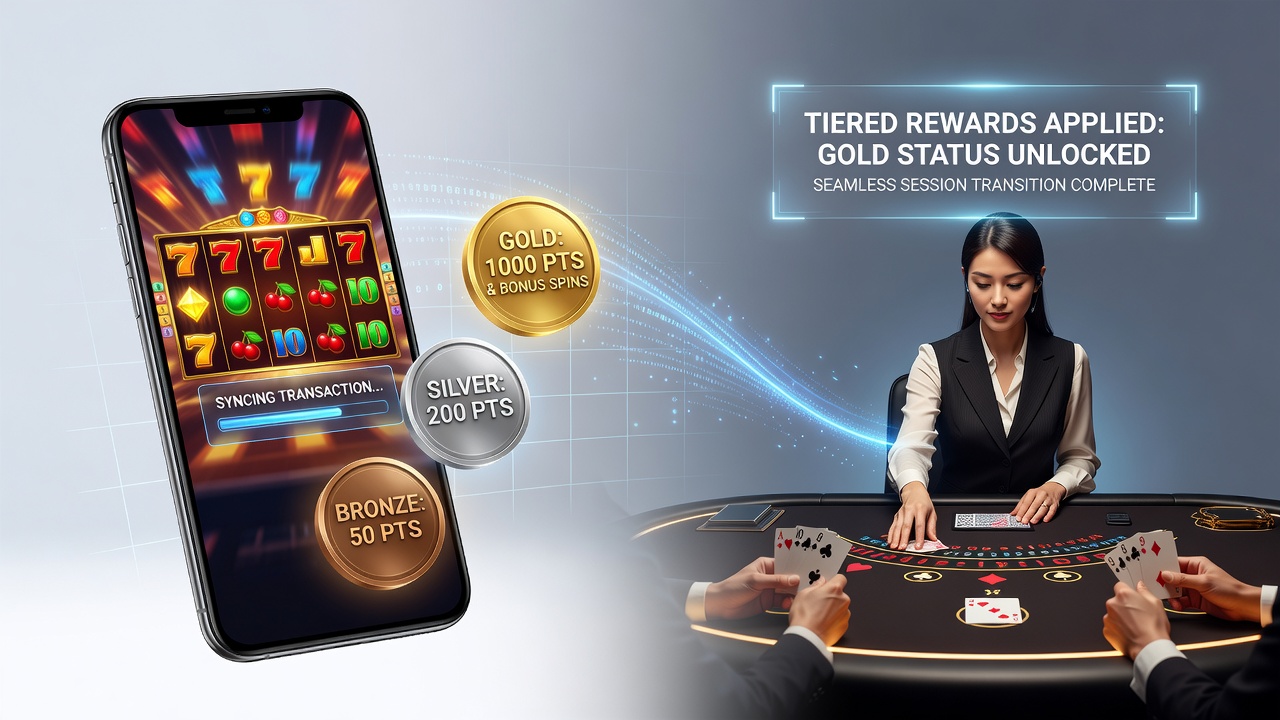
Payment synchronization with tiered reward structures has become a focal point for platforms that host both mobile slots and live dealer sessions, allowing users to maintain consistent account balances and bonus eligibility while moving between game types. Data from industry reports indicate that operators who link transaction choices directly to loyalty tiers experience higher retention rates across hybrid gaming environments, particularly when users switch from quick spin sessions to extended table play without interrupting reward accumulation.
Core Mechanics of Transaction and Reward Integration
Transaction choices encompass deposit methods, withdrawal preferences, and in-session funding options, each mapped to specific tier benefits such as reduced fees, accelerated point earnings, and priority access to promotions. Researchers at academic institutions have documented that when these elements align, the transition process reduces friction because the same payment rail carries forward the user's current loyalty status, preserving multiplier effects on both slot wins and live dealer outcomes. Studies show this setup often relies on unified wallets that update tier progress in real time, so a deposit made during a mobile slot session immediately reflects in the live dealer environment.
Payment Rails and Tier Mapping
Common payment rails include e-wallets, bank transfers, and card networks, each assigned distinct reward multipliers depending on the user's tier level. According to figures from the American Gaming Association, platforms that synchronize these rails with tier data achieve smoother cross-game movement because the system recognizes the deposit source and applies the corresponding benefit without requiring separate verification steps. One example involves users at mid-tier levels receiving instant cashback credits on live dealer bets after funding via a preferred e-wallet that originated from mobile slot activity.
Technical Frameworks Supporting Seamless Movement
Backend systems connect mobile slot interfaces with live dealer platforms through shared APIs that track both transaction history and tier progression in a single ledger. Observers note that this architecture prevents reward resets during game switches because the tier status travels with the account rather than resetting per game category. In practice, the framework records each funding event alongside the associated loyalty points, then applies the tier benefits uniformly whether the next session occurs on reels or at a real-time table.
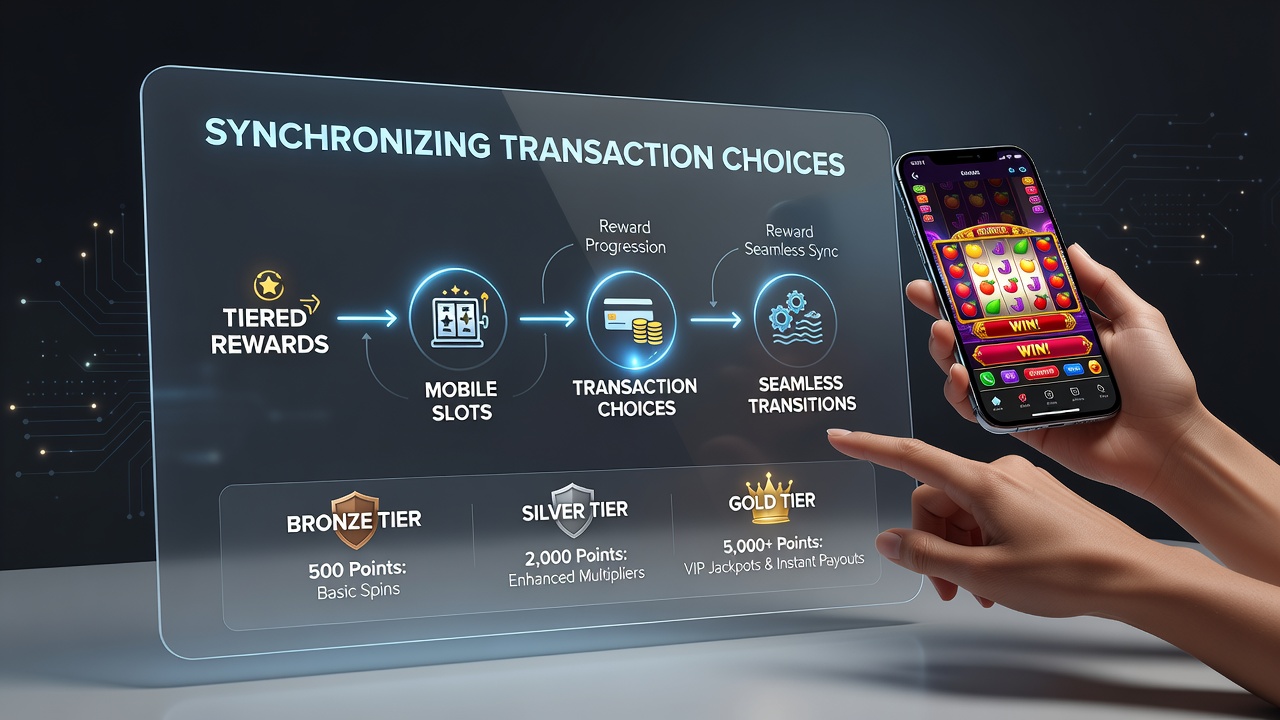
August 2026 saw several operators release updated compliance documentation outlining how these synchronized systems meet emerging standards for responsible play tracking across multiple game formats. Those updates emphasize transparent display of tier benefits tied to specific transaction types, ensuring users see how their chosen payment method influences reward eligibility during transitions.
Examples from Operational Platforms
Take one operator that implemented tier-linked e-wallet preferences for its mobile users; data revealed that players moving from slot sessions to live dealer tables maintained continuous bonus eligibility because the deposit method carried the tier multiplier forward automatically. Another case documented by research institutions showed that bank transfer users at higher tiers experienced faster confirmation times when switching game types, as the system pre-approved the transaction rail based on prior activity. These patterns demonstrate that synchronization reduces the steps needed to access rewards after each transition.
Regional Regulatory Context
Authorities in various jurisdictions have examined how payment synchronization intersects with player protection requirements. A report from the Australian Communications and Media Authority highlights that clear mapping of transaction choices to tier rewards helps maintain accurate spending records across game categories, which supports mandatory reporting obligations. Similar approaches appear in Canadian provincial frameworks, where operators must demonstrate that reward systems do not create unintended incentives during game switches.
Impact on User Behavior Patterns
Analytics from multiple platforms indicate that synchronized systems correlate with longer average session durations because users avoid interruptions when moving between mobile slots and live dealer tables. Research indicates that players who encounter consistent tier benefits across both formats tend to explore more game types within a single account session. This occurs because the reward structure remains active regardless of the chosen game interface, removing the need to re-qualify for promotions after each switch.
What's significant is the role of real-time ledger updates that reflect transaction history and tier status simultaneously, allowing the system to apply benefits without delay. Data shows this capability proves especially useful during peak hours when users frequently alternate between quick slot play and interactive dealer sessions.
Conclusion
Synchronization of transaction choices with tiered rewards creates operational consistency for platforms that combine mobile slots and live dealer sessions. Evidence from industry and regulatory sources demonstrates that unified tracking of payments and loyalty status supports uninterrupted movement between game formats while meeting compliance expectations. As technical frameworks continue to evolve, operators maintain focus on mapping payment rails to tier benefits in ways that preserve reward continuity across diverse gaming environments.